
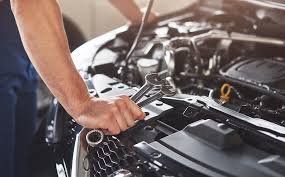
I’ve been turning wrenches for over 22 years—first in my dad’s back-yard garage as a teenager, then at independent shops, a Honda dealership, and now running my own small performance-oriented shop. I’ve seen engines that look brand-new at 300,000 miles and engines that were toast at 60,000 because the owner “only followed the owner’s manual.” Here’s the truth: most factory maintenance schedules are written by lawyers and accountants, not mechanics who actually have to fix the mess later.
These car engine maintenance tips come from real-world experience, not copied from some generic list. If you actually do them, you’ll save thousands in repairs and keep your car running smoother than most new cars off the lot.
Why Most People Destroy Their Engines (Without Realizing It)
Before we dive into the actual tips, understand this: modern engines are tougher than most people give them credit for, but they’re also far less forgiving of neglect than the old pushrod V8s we grew up with. Today’s engines run hotter, have tighter tolerances, and rely heavily on electronics and precise oil flow. Skip one or two “unimportant” services and you’re rolling the dice on a $6,000–$12,000 repair bill.
Let’s fix that.
The Holy Trinity of Engine Longevity
Everything else is just details. Master these three and you’re 90% of the way there:
- Oil changes (the right oil, the right interval)
- Cooling system maintenance
- Driving habits
Ignore any one of them and the other two won’t save you.
H2: Car Engine Maintenance Tip #1: Stop Treating Oil Changes Like a Suggestion
I still have customers who brag, “I go 15,000 miles on an oil change—my dealer says it’s fine!” Two years later they’re in my bay with a spun bearing or sludge so bad the engine looks like it ran on tar.
Here’s what actually works:
Use the Severe Service Schedule—Always
Every manufacturer buries a “severe service” or “special operating conditions” schedule in the fine print. Hot climates, cold climates, stop-and-go traffic, towing, dusty roads, short trips under 20 minutes—guess what? That’s 95% of us. Use that interval. For most cars that means 5,000–7,500 miles or 6 months max with full synthetic.
Don’t Blindly Trust the Oil Life Monitor
Those algorithms assume perfect conditions and average driving. They have no idea you idle for 30 minutes every morning warming up in winter or sit in rush-hour traffic with the A/C blasting in 105°F heat. When the monitor says 15–20% oil life left, change it. Not at 0%.
Pick the Right Oil (This Actually Matters Now)
- European cars (BMW, VW, Audi, Mercedes): only oils meeting their exact spec (BMW LL-01/LL-04, VW 504.00/507.00, MB 229.5/229.51, etc.). Using the wrong one voids warranties and destroys turbo bearings.
- Direct-injected turbo engines (EcoBoost, TSI, etc.): look for API SP or ILSAC GF-6A and preferably oils with higher levels of calcium/magnesium over ZDDP to fight LSPI (low-speed pre-ignition).
- High-mileage engines over 100k: consider an oil with extra seal conditioners (Mobil 1 High Mileage, Valvoline MaxLife, etc.).
Pro tip from the shop: I keep a running list of engines I’ve torn apart. The ones that look pristine at 200k+ miles almost always ran name-brand full synthetic changed at 5–6k miles. The sludged disasters? Almost always the “whatever’s on sale” conventional or super-extended intervals.
H2: Car Engine Maintenance Tip #2: Your Cooling System Is More Important Than Your Oil
I’ve seen more engines die from overheating-related issues than from bad oil combined.
Change Coolant on Time—Every Time
Most modern “long-life” coolants are good for 100k–150k miles the first fill… from the factory. Once you open the system, that clock restarts. I flush and replace coolant every 60,000 miles or 5 years, whichever comes first. Use only the exact type specified (HOAT, OAT, POAT, etc.). Mixing types causes gelling and clogged radiators.
Inspect These Every Spring and Fall
- Radiator cap (yes, they wear out and lose pressure)
- All hoses—squeeze them when cold. If they’re rock-hard or mushy, replace.
- Water pump weep hole—if you see orange or green crust, it’s leaking and about to grenade.
- Thermostat—stuck closed = cooked engine. Stuck open = never reaches temp, sludge city.
Real story: Customer brought in a 2018 Subaru with 68k miles complaining of “random overheating.” Dealer said it was fine. Coolant was original factory fill—now coffee-brown and acidic. Head gaskets were already leaking. $4,800 later he learned the hard way.
H2: Car Engine Maintenance Tip #3: Drive It Like You Love It
Your driving habits are the difference between an engine that lasts 150k miles and one that hits 400k.
Warm Up Properly (But Not How You Think)
Idling for 10 minutes every morning is terrible for the engine—rich fuel mixture washes oil off cylinder walls. Instead:
- Start the car.
- Wait 20–30 seconds for oil pressure to build.
- Drive gently (under 3,500 rpm, light throttle) for the first 5–10 minutes.
Cool Down Turbos (Sometimes)
If you’ve been highway driving or boosting hard, let it idle 60–90 seconds before shutting off. Oil-cooked turbos are epidemic in modern cars.
Italian Tune-Up—Yes, It’s Real
Once a month, find a safe on-ramp or empty road and do 2–3 full-throttle pulls from 2,000 rpm to redline in a lower gear (manual) or just floor it in drive (auto). Blows carbon out of valves and keeps rings free—especially important on direct-injected engines.
H2: The “Hidden” Car Engine Maintenance Tips Most Mechanics Won’t Tell You (Because They Profit When You Ignore Them)
Replace Your PCV Valve on Schedule
A $12 part that prevents crankcase pressure, oil leaks, and sludge. Most are supposed to be replaced every 60k yet I’ve never had a customer do it proactively.
Serpentine Belt and Tensioner at 100k—No Exceptions
I’ve seen more engines destroyed by a $120 belt snapping and taking out timing components than almost anything else.
Spark Plugs—Don’t Push 100k “Iridium” Claims
Iridium plugs can physically last 120k+, but electrode wear and carbon fouling cause misfires and catalytic converter damage way before that. 60–80k is my rule on turbo or direct-injected engines.
Clean Your MAF Sensor and Throttle Body Every 30–40k
Costs $10 in cleaner and 20 minutes. Fixes 90% of “random rough idle” complaints.
Fuel System Maintenance for Direct Injection Engines
GDI engines build carbon on intake valves like crazy because there’s no fuel washing them clean like port injection. Do a walnut blast cleaning every 80–100k (or use catch cans + top-tier gas + occasional BG 44K or Techron treatments).
H2: Building Your Own Engine Maintenance Schedule (Better Than the Factory One)
Here’s what I give every customer who buys a car from me or brings one in for major service:
| Mileage / Time | Task | Why It Matters |
| Every 5–7k miles | Oil + filter (full synthetic) | Non-negotiable |
| Every 30k miles | Air filter, cabin filter, brake fluid flush | Keeps everything breathing & stopping |
| Every 60k miles | Coolant flush, spark plugs, PCV valve | Prevents 90% of catastrophic failures |
| Every 80–100k miles | Transmission fluid, belt/tensioner, valve cleaning (GDI) | Saves $3k–$8k repairs |
| Every 100–120k miles | Water pump, thermostat, all hoses | Head gasket insurance |
H2: Tools Every Car Owner Should Own for Basic Engine Health Checks
You don’t need to be a mechanic, but these $150 worth of tools will save you thousands:
- OBD2 Bluetooth scanner + Torque Pro app ($30) – Read and clear codes, monitor temps.
- Infrared thermometer ($25) – Check for hot/cold spots on radiator, overheating cats.
- Oil pressure test gauge ($50) – Most important reading you’ll ever take.
- Basic socket set + torque wrench – For oil changes, spark plugs, etc.
Final Thoughts: Treat It Like the $30,000–$80,000 Machine It Is
Your engine isn’t a disposable appliance. With 20 minutes a month and maybe $400–$600 a year in preventative maintenance, you can easily double the life of most modern cars.
I still daily-drive a 2004 Honda Element with 378,000 miles on the original engine and transmission. Oil changed every 5k with Mobil 1, coolant every 5 years, belts at 100k intervals, and driven like I stole it once a month. It uses zero oil between changes and still passes emissions with flying colors.
That’s not luck. That’s following the car engine maintenance tips above religiously.
Your turn—pick one tip from this article and do it this weekend. Then make it a habit. Your future self (and your wallet) will thank you.
What’s the highest-mileage engine you’ve ever owned, and what did you do (or not do) to get it there? Drop it in the comments—I read every single one.
Drive safe,
Discover even more expert advice and family car guides at OnlyGamify.