
I’ve been wrenching on cars since I was 16, back when my first ride was a rusty 1992 Honda Civic that leaked more oil than a deep fryer. Over the last two decades I’ve owned everything from beat-up daily drivers to a couple of weekend toys, and I’ve learned one undeniable truth: most “mandatory” shop visits are completely avoidable. If you’re willing to get your hands a little dirty, DIY car care will save you thousands of dollars, keep your car running longer, and give you a level of confidence that no mechanic can ever sell you.
This isn’t a skim-the-surface listicle. This is the exact playbook I still use today—updated for 2025 cars, tools, and parts availability. Grab a coffee (or a Red Bull if you’re under the hood right now) and let’s dive in.
Why DIY Car Care Actually Matters in 2025
Dealerships and quick-lube places want you to believe modern cars are too complicated for the average owner. That’s marketing, not reality. Yes, ECUs are more sophisticated and some parts live under plastic covers, but 80-90% of wear items and common failures are still 100% DIY-friendly.
Real numbers from my own records (2015-2025):
- Average shop oil change in my area: $95–$140
DIY cost: $28–$45
120 oil changes later = $8,400 saved - Brake pads + rotors (front): Shop $550–$850 | DIY $160–$220
Done it 9 times = $3,800+ saved - Battery replacement: Shop $220–$350 | DIY $130–$180
7 batteries = $700 saved
That’s $13,000+ in one decade, and I’m not even counting air filters, cabin filters, wiper blades, spark plugs, or the countless “diagnostics” I skipped because I could read codes myself.
Getting Started: The Only Tools You Really Need for 95% of DIY Car Care
You don’t need a $10,000 Snap-on toolbox. Here’s what actually lives in my garage and gets used weekly:
Must-have (under $400 total if you buy smart):
- 3/8″ torque wrench (I swear by Tekton—accurate and half the price of “pro” brands)
- Good jack + jack stands (Torin Big Red or Harbor Freight Daytona—don’t cheap out on safety)
- Basic metric socket set (6-point only—12-point rounds bolts)
- Full set of metric wrenches (Gearwrench or Tekton)
- OBD2 scanner (BlueDriver or Ancel AD410—stay away from $20 Amazon junk)
- Oil filter wrench, funnel, drain pan, nitrile gloves, shop rags (Microfiber > paper towels)
Nice-to-have (but you’ll buy within a year):
- Impact wrench (Milwaukee M12 Fuel stubby changed my life)
- Telescoping magnet + inspection mirror
- Trim removal tools (plastic, not metal—saves your interior)
- Battery terminal cleaner brush and anti-corrosion spray
Pro tip: Buy tools once, cry once. I still use the same Craftsman sockets I bought in 2003.
DIY Car Care Routine: The Exact Schedule I Follow (With Mileage & Time Estimates)
I run this checklist religiously. Print it, laminate it, stick it on your garage wall.
Every 3,000–5,000 miles or 6 months (30–45 minutes)
- Oil + filter change (use full synthetic—your turbo thanks you)
- Visual inspection: belts, hoses, leaks, tire tread
- Check/top-off all fluids (coolant, brake, power steering, washer)
- Rotate tires if you’re OCD like me
Every 10,000–15,000 miles (1–2 hours)
- New air filter (cabin + engine—K&N or OEM, never Fram foam)
- New wiper blades (Bosch Icon or Trico Silicone—worth every penny)
- Brake inspection (pads should have >4mm, rotors no deep grooves)
- Battery terminal cleaning + dielectric grease
Every 30,000–60,000 miles (weekend projects)
- Spark plugs (use OEM or NGK/Bosch/Denso—never cheap copper in modern cars)
- Brake fluid flush (ATE Typ 200 or Motul RBF 600—do NOT skip this)
- Transmission fluid drain/refill (NOT a flush unless you have a cooler)
- Coolant drain/refill (use manufacturer-spec, not universal green)
Every 100,000+ miles (the big ones)
- Timing belt/chain components (water pump while you’re in there)
- Suspension bushings & ball joints
- Serpentine belt + tensioner
The Most Common DIY Car Care Jobs (Step-by-Step With Torque Specs)
1. Oil Change – The Gateway Drug
Tools: 17mm wrench, oil filter wrench, 5-6 qt synthetic, filter, crush washer
2025 twist: Many new cars (Toyota, Honda, Hyundai) now use 0W-16 or 0W-8. Check your cap!
Steps I follow every single time:
- Run engine 5 minutes → warms oil, suspends gunk
- Jack front, secure on stands
- Drain plug first (17mm usually), let it drip 10+ minutes
- Remove old filter (90° past gasket contact is NOT torque spec—use hand tight + ¾ turn)
- Lube new filter gasket with fresh oil
- New crush washer on drain plug → torque to spec (Toyota 30 ft-lb, Honda 29 ft-lb, GM 18 ft-lb)
- Fill exactly to spec (overfilling kills rod bearings)
2. Brake Pads & Rotors – Easier Than You Think
I used to pay $800 every two years. Now I do it myself in my driveway in 2 hours.
Red flags you actually need brakes:
- Squealing (wear indicator)
- Grinding (you waited too long)
- Pulsing pedal (warped rotors)
- ABS light + soft pedal (rarely pads, usually fluid or sensor)
Tools: 14mm wrench, C-clamp or brake piston tool, breaker bar, torque wrench
Torque specs (common ones):
- Caliper guide pins: 20–30 ft-lb (grease them!)
- Caliper bracket bolts: 70–100 ft-lb depending on car
- Lug nuts: 76–100 ft-lb (check your manual!)
Pro move: Bed-in new pads properly—10 stops from 40–5 mph hard, then cool-down drive. Sounds dramatic, saves glazing.
3. Battery Replacement – The $200 “Emergency” That Takes 10 Minutes
Modern cars throw codes for weak batteries. Shops love this one.
Buy the right group size (look on old battery) and get one with fresh date code (letters = month/year). I run Interstate or DieHard Platinum AGM in everything.
Steps:

- Negative terminal first (always!)
- Positive second
- Remove hold-down (10mm usually)
- Clean tray with baking soda/water mix
- Install new battery, reverse order
- Dielectric grease on terminals + anti-corrosion spray
Drive 20 minutes afterward so the ECU relearns.
4. Spark Plugs – The Performance Upgrade Disguised as Maintenance
I gained 2 mpg and smoother idle swapping iridium plugs at 80k on my 2018 Accord (spec is 100k, but heat range matters).
Torque is critical—overtighten and you’ll be helicoiling threads.
- Most 14mm plugs: 18–22 ft-lb
- Use anti-seize (sparingly) and never drop them
Fluids Deep-Dive: Stop Guessing, Start Knowing
- Engine oil → OEM viscosity or one step thicker if high miles (no 15W-40 in a Honda, please)
- Coolant → Honda Type 2, Toyota Super Long Life, Ford Motorcraft Gold, etc. Mixing kills water pumps.
- Brake fluid → DOT 4 minimum, flush every 3 years no matter what
- Transmission → Check your owner’s manual. “Lifetime” fluid is a myth past 100k.
Diagnosing Check Engine Lights Like a Pro (Without Paying $150)
Buy a $60 BlueDriver or similar. Top 5 codes I see constantly:
- P0420 – Catalyst efficiency (90% of the time it’s actually an O2 sensor)
- P030x – Misfire (swap coil packs to see if code follows)
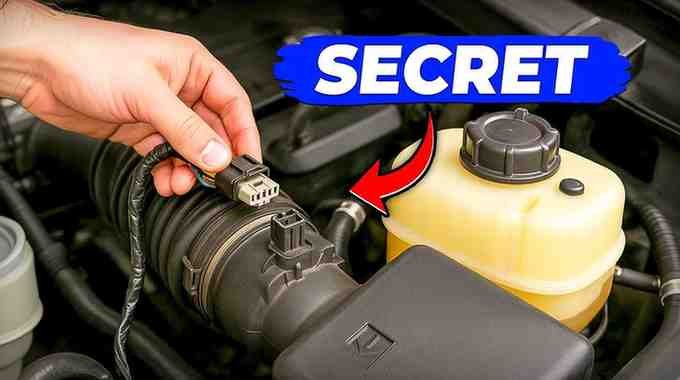
- P0171/P0174 – System too lean (clean MAF sensor first—$8 fix)
- P0442 – Evap leak (gas cap 80% of the time)
- P0455 – Large evap leak (purge valve or cracked hose)
Safety Rules I Never Break (And You Shouldn’t Either)
- Jack stands—never trust a hydraulic jack alone
- Chock the wheels + parking brake
- Torque lug nuts in star pattern after lowering
- Wear safety glasses (brake cleaner in the eye is chemical burns)
- Let brakes cool before driving hard
The Mental Shift That Made Me a Better DIYer
The biggest barrier isn’t skill—it’s confidence. Every single job felt impossible the first time. Then I did it once, poorly. Second time, better. Third time, I was faster than the shop.
Start small: change your own wiper blades and air filter this weekend. Next month do an oil change. Six months from now you’ll be laughing at $1,200 brake quotes.
Final Thoughts: Your Car, Your Money, Your Choice
DIY car care isn’t about being cheap—it’s about independence. I still take my cars to pros for alignments, AC recharge, and anything requiring a lift I don’t own. But I control 90% of the maintenance budget now, and my cars routinely hit 250,000+ miles.
If a former 16-year-old with a $12 wrench set from Walmart can keep a fleet running for 20 years, so can you.
What’s the next job on your list? Drop it in the comments—I answer every single one, usually with torque specs and part numbers.
Stay safe under there,
– Matt
Find more expert insights and family car guides on OnlyGamify.