
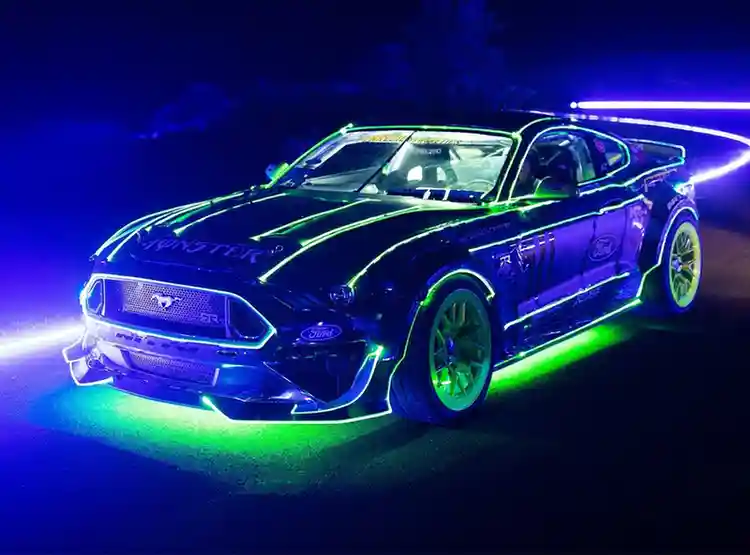
Hey everyone, if you’ve ever stared at your stock car headlights or bland living room lamps and thought, “This could be so much cooler,” then welcome to the club. I’m Jake, a gearhead and home tinkerer who’s been elbow-deep in LED mods for over a decade. Back in 2015, I botched my first attempt at swapping out halogen bulbs in my old Civic—ended up with a flickering mess that got me pulled over twice. But that fiasco sparked a passion. Fast-forward to now, November 2025, and I’ve customized everything from underglow kits on my truck to ambient strips in my kitchen. LEDs have come a long way: brighter, smarter, and more affordable, with average prices dropping 15% since last year thanks to tech advances. In this LED lights modification guide, I’ll share my hard-earned wisdom, step-by-step tutorials, and tips to avoid my early pitfalls. Whether you’re upgrading your vehicle for better visibility or jazzing up your home for that cozy vibe, this guide is your roadmap to pro-level results without the pro-level budget.
I’ve pulled from my own projects, chats with auto electricians, and the latest industry insights to make this the most comprehensive LED lights modification guide out there. We’ll cover automotive tweaks, home customizations, safety, legal stuff, and even advanced hacks. By the end, you’ll be ready to light up your world—literally. Let’s dive in.
Why Modify LEDs? The Perks in This LED Lights Modification Guide
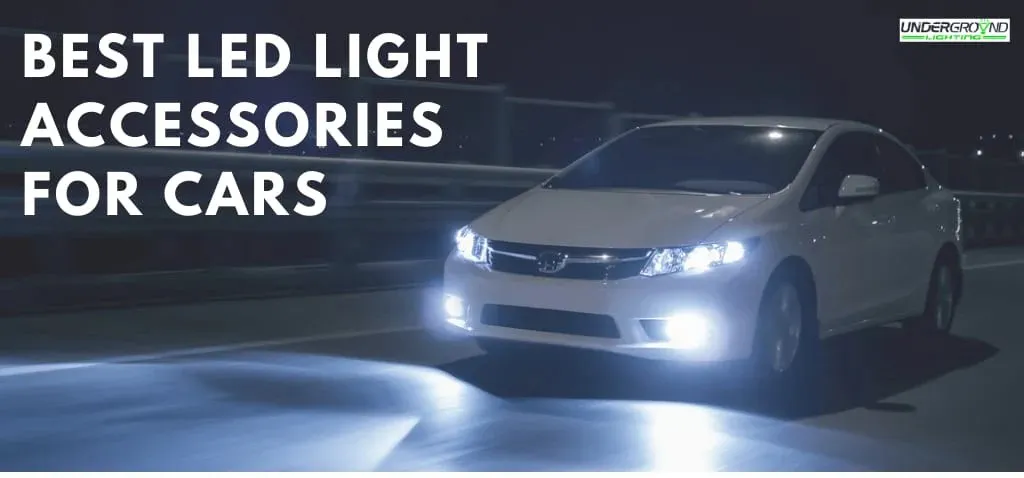
First off, why bother with LED modifications at all? LEDs aren’t just trendy; they’re game-changers. They use up to 80% less energy than incandescents, last 25,000+ hours, and offer insane customization. In cars, switching to LEDs boosts nighttime visibility by 200-300%, reducing accident risks. For homes, custom LED setups can slash your electric bill while creating moods—from energizing daylight whites to relaxing warm ambers.
From my experience, mods add personality. My truck’s RGB underglow turns heads at car meets, and my home office’s tunable strips help me focus during late-night work sessions. But it’s not all glow and glory—poor mods can lead to failures or fines. That’s why this LED lights modification guide emphasizes doing it right.
Essential Tools and Materials for Your LED Lights Modification Guide
Before you start stripping wires, gear up. I’ve wasted hours hunting for the right tool mid-project, so here’s my must-have list from countless mods.
Basic Tools:
- Multimeter: Essential for checking voltage and continuity. I use a Fluke 101—reliable and under $50.
- Wire strippers and cutters: For clean connections. Get ones with adjustable gauges.
- Soldering iron and solder: For permanent joins. A 60W kit with heat shrink tubing is ideal.
- Screwdrivers (Phillips and flathead): Various sizes for disassembly.
- Pliers: Needle-nose for tight spots.
- Heat gun or lighter: For shrinking tubing.
Materials:
- LED bulbs/strips: Choose CANbus-compatible for cars to avoid errors. For homes, go waterproof IP65+ for kitchens.
- Wiring: 18-22 gauge, stranded for flexibility.
- Connectors: Butt, spade, or quick-splices—no twisting wires like I did early on!
- Resistors/decoders: For hyperflash fixes in turn signals.
- Adhesives: 3M tape for strips, zip ties for securing.
Budget? A starter kit runs $100-200. Pro tip: Source from reputable spots like Amazon or Diode Dynamics to avoid knockoffs that burn out fast.
Safety First: Key Precautions in LED Lights Modification
Safety isn’t sexy, but it’s crucial—I’ve singed fingers and tripped breakers to prove it. LEDs run cool, but electrical work carries risks like shocks or fires.
- Power Off: Always disconnect the battery for car mods or flip the breaker for home ones.
- Eye and Hand Protection: Wear gloves and glasses; solder splatters hurt.
- Ventilation: Fume from soldering? Use a fan—lead-free solder is better.
- Voltage Match: Mismatch can fry LEDs. Test with multimeter.
- Heat Management: Overheating shortens life; use heatsinks for high-power mods.
- Child/Pet Safety: Keep setups out of reach in homes.
One close call: I once shorted a circuit in my garage, sparking a small fire. Lesson? Double-check connections.
Step-by-Step LED Lights Modification Guide for Cars
Cars are where LED mods shine (pun intended). Focus on headlights, interior, and underglow for max impact.
Headlight Upgrades in Your LED Lights Modification Guide
Swapping halogens for LEDs? Easy win for brightness.
- Pop the hood, disconnect battery.
- Access bulbs—remove covers or grilles.
- Twist out old bulb, plug in LED (align pins).
- Add decoder if dash errors pop.
- Test beams; aim if needed (use wall method).
My Civic now cuts through fog like a laser. Cost: $50-150 per pair. Avoid cheapies—they flicker.
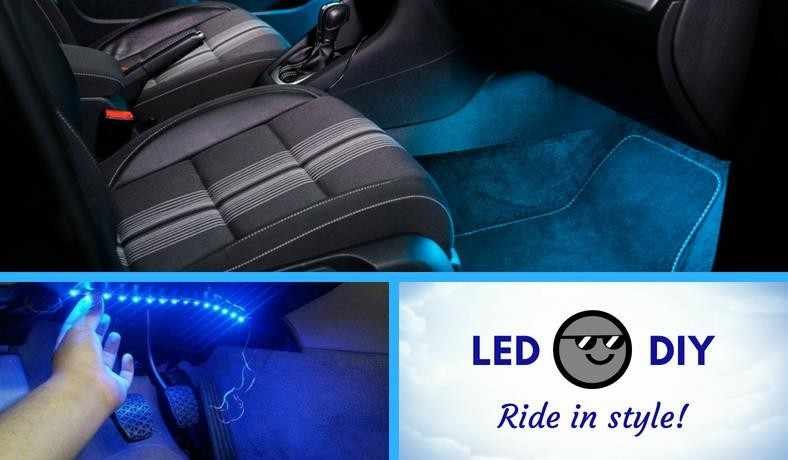
Interior LED Customizations
Interior mods create ambiance. I turned my truck’s cabin into a spaceship.
- Pry off dome/map light covers gently.
- Swap bulbs—use T10 for most.
- For strips: Measure, cut, adhere under dashes/seats.
- Wire to fuse box or app-controlled hub.
- Solder connections, insulate.
RGB kits with Bluetooth? Game-changer for $30. Pro: Sync to music.
Underglow and Exterior Mods in LED Lights Modification Guide
Underglow adds flair but check laws first.
- Lift car, clean chassis.
- Mount strips with clips/zip ties.
- Route wires to battery, add fuse.
- Connect controller, ground properly.
- Test colors/modes.
My setup’s weatherproof—lasted three winters. Cost: $100-300.
Home LED Lights Modification Ideas and Tutorials
Home mods are forgiving—no road vibrations. I’ve customized my space for efficiency and style.
Kitchen and Living Room Ideas
For under-cabinet glow:
- Measure cabinets, cut strips.
- Adhere with tape, wire to transformer.
- Hide wires in channels.
- Add dimmer for mood control.
Try color-changing for parties—my kitchen shifts from cool white (5000K) for cooking to warm (2700K) for dinners.
Bedroom and Office Customizations
Cove lighting: Install channels in crown molding, run strips.
- Cut molding grooves if needed.
- Power via smart plug for voice control.
- Tune temps—blue for focus, amber for sleep.
Integrated with HomeKit? Seamless.
Common Mistakes to Avoid in LED Modifications
I’ve made ’em all—learn from my blunders.
- Wrong voltage: Fried a strip once. Always match 12V/24V.
- Poor connections: Loose wires cause flickers.
- Overloading circuits: Use proper gauges.
- Ignoring heat: No sinks? Dimming ensues.
- Cheap products: They fail fast.
- No planning: Measure twice, cut once.
Bonus: Don’t mod without testing—mock up first.
Advanced Techniques in This LED Lights Modification Guide
Ready for next-level? Try PWM dimming for smooth fades—wire a controller. Or current limiting with resistors for custom arrays. I’ve built diode-based tail lights: Solder LEDs in series, add drivers.
For homes, integrate with IoT—program scenes via apps.
Legal Considerations for Automotive LED Mods
In the US, LEDs are legal if compliant. Headlights: White/amber front, red rear; 2400-3600 lumens. Underglow: No blue/red while driving; varies by state. Massachusetts bans aftermarket LEDs—check locally.
I got ticketed once for too-bright beams—aim properly.
Maintenance and Troubleshooting Your LED Mods
LEDs are low-maintenance, but dust ’em regularly. Flickering? Check grounds. Dimming? Voltage drop—thicker wires.
Yearly inspections prevent issues. My mods last 5+ years with care.
Wrapping Up Your LED Lights Modification Journey
There you go—a complete LED lights modification guide to spark your creativity. Start small, build confidence, and soon you’ll be the go-to expert among friends. Remember, it’s about fun and function. Hit the comments with your projects or questions—I’ve got more stories. Light on!
Check out more expert tips and family car guides over on OnlyGamify!