
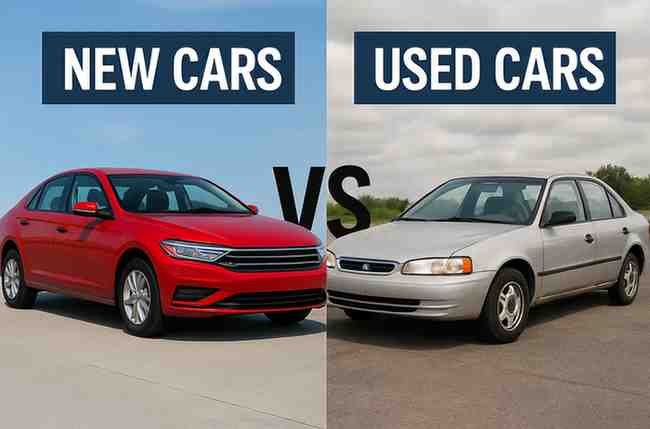
Hey folks, if you’ve ever stood in a dealership lot, staring at a gleaming new sedan next to a slightly weathered SUV, scratching your head over which one to pick, you’re not alone. I’ve been there—twice, actually. Back in 2019, fresh out of a job change, I impulse-bought a brand-new crossover thinking it’d be the reliable family hauler my growing brood needed. Fast-forward three years, and that “new car smell” had faded right along with my bank balance, thanks to brutal depreciation. Lesson learned? I traded it in for a certified pre-owned model in 2022, and haven’t looked back. That switch saved me thousands, but it wasn’t without its headaches—like tracking down maintenance records and negotiating over minor dings.
Fast-forward to today, November 2025, and the new vs used car comparison is more relevant than ever. With average new car prices topping $50,000 for the first time, and used cars averaging around $25,000 to $31,000 depending on age, the gap is widening. Inflation, supply chain hiccups, and the EV boom are shaking things up, making this decision a real puzzle for budget-savvy buyers. As someone who’s navigated both sides—pouring over spreadsheets, test-driving dozens, and even dealing with a lemon law scare—I’m here to break it down. We’ll dive into costs, reliability, tech, and more, with real-world insights to help you decide. Whether you’re a first-time buyer or upgrading your ride, this new vs used car comparison will arm you with the knowledge to drive away happy.
Understanding the Basics: What Sets New and Used Cars Apart in a New vs Used Car Comparison
Before we rev the engine on specifics, let’s clarify what we’re comparing. A new car is straight from the factory—zero miles, untouched by previous owners, and customizable down to the paint color. Think of it as a blank canvas: You pick the trim, add-ons like heated seats or adaptive cruise control, and roll off the lot knowing every bolt is pristine.
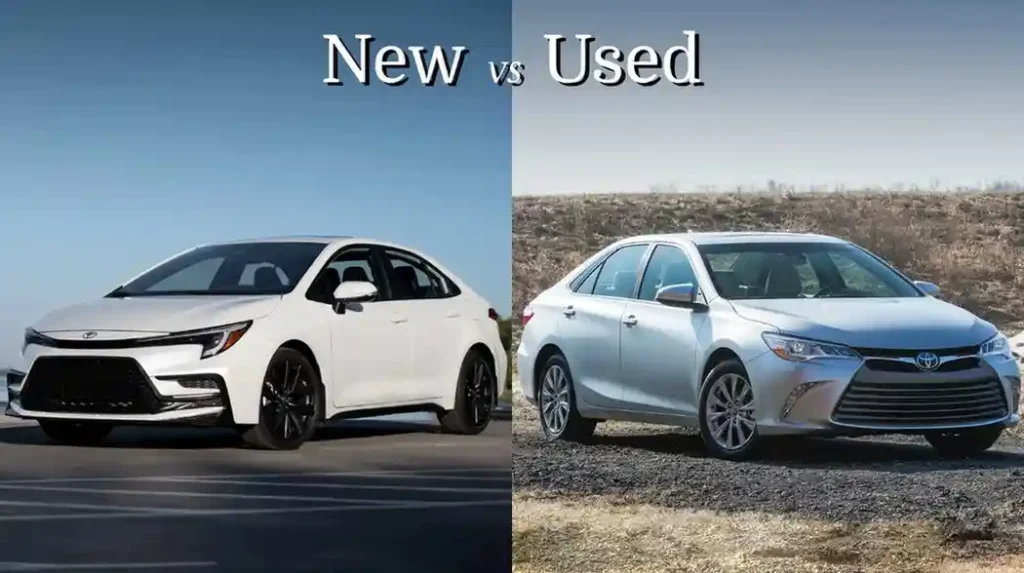
Used cars, on the flip side, have history. They could be one-year-old lease returns with 10,000 miles or decade-old commuters pushing 100,000. The spectrum is huge, from “like-new” certified pre-owned (CPO) vehicles backed by manufacturer inspections to private-sale beaters that scream “buyer beware.” In my first used buy, I scored a 2018 Honda Accord for half the price of new, but only after a mechanic’s blessing to avoid hidden gremlins.
The core difference? New offers peace of mind and modernity; used promises savings but demands diligence. As we’ll see, the right choice hinges on your wallet, needs, and risk tolerance.
The Financial Breakdown: Crunching Numbers in New vs Used Car Comparison
Money talks loudest in any car-buying debate, and this new vs used car comparison is no exception. Let’s start with upfront costs. New cars hit hard: The average transaction price in September 2025 was $50,080, up from previous years due to luxury features and EV integrations. Factor in taxes, fees, and dealer add-ons, and you’re easily north of $55,000 for a mid-size SUV.
Used cars? A breath of fresh air. Three-year-old models average $31,067, while broader used inventories sit around $25,500. My 2022 switch? I paid $28,000 for a used Toyota RAV4 that would’ve cost $42,000 new—savings that funded a family vacation. But watch for hidden costs like higher interest rates on used loans (often 1-2% more) if your credit isn’t stellar.
Depreciation: The Silent Killer in New vs Used Car Comparison
Ah, depreciation—the reason new cars lose value faster than ice cream melts in July. On average, new vehicles drop 30% in the first two years, then 8-12% annually thereafter. Drive off the lot, and poof—$10,000-$15,000 gone. Models like the Ford Mustang or Nissan Versa depreciate slowest, around 5-6% in year one, but most take a hit.
Used cars? They’ve already absorbed that initial plunge. A three-year-old car might only depreciate 10-15% over the next few years, holding value better. In my experience, reselling my used Accord after two years netted 80% of what I paid—far better than the 60% I’d have gotten on a new one.
Financing, Insurance, and Ongoing Costs
Financing favors new cars slightly, with manufacturer incentives like 0% APR deals. Used? Expect 4-7% rates, but shorter terms keep totals lower. Insurance is trickier: New cars cost more to insure due to higher replacement values—often 10-20% pricier. My new crossover’s policy was $1,800 yearly; the used RAV4 dropped to $1,200. But older models might spike if parts are scarce.
Maintenance? New wins short-term with free services, but used can surprise with repairs. Total ownership: A five-year new car might cost $0.60/mile; used, $0.45 if reliable.
Reliability and Longevity: Trust Issues in New vs Used Car Comparison
Reliability is where emotions run high. The 2025 J.D. Power Vehicle Dependability Study shows problems at a 16-year high, averaging 195 issues per 100 vehicles after three years. Lexus and Toyota lead with the fewest gripes, proving some brands age gracefully.
New cars shine here: Fresh components mean fewer breakdowns early on. But data shows even new models falter—infotainment glitches top complaints. Used? Riskier, but low-mileage CPOs mitigate that. My used buy had 40,000 miles; a thorough inspection revealed nothing major, and it’s clocked 80,000 trouble-free.
Maintenance Realities and Long-Term Durability
New: Predictable, with warranties covering surprises. Used: Budget for $500-1,000 yearly post-warranty. Pro tip: Check Carfax for history; I dodged a flood-damaged lemon that way.
Technology and Safety Features: Modern vs Tried-and-True in New vs Used Car Comparison
Tech evolves fast, tilting toward new. 2025 models boast AI assistants, 360-degree cameras, and Level 2 autonomy standard. Safety? New cars often earn top IIHS ratings with advanced airbags and collision avoidance.
Used lags— a 2022 model might lack the latest, but retrofits exist. For families, new’s edge in crash tech is huge; my new car once auto-braked to avoid a deer.
Fuel Efficiency and Performance
New: Hybrids and EVs dominate, hitting 40+ mpg. Used: Cheaper gas sippers abound, but older engines guzzle more.
Warranties and Certifications: Peace of Mind in New vs Used Car Comparison
New cars come with 3-5 year/36,000-60,000-mile warranties, plus powertrain up to 10 years. Used? Basic or none, unless CPO. CPOs offer extended coverage, 172-point inspections, and perks like roadside assistance. I paid $2,000 extra for CPO on my RAV4—worth it when a sensor failed free.
Drawback: CPOs cost 10-15% more than non-certified used.
Environmental Considerations: Green Choices in New vs Used Car Comparison
EVs are booming. New EVs qualify for $7,500 tax credits, with ranges over 300 miles. Used EVs? Bargains abound—2023 models at $25,000 vs $48,000 new, but check battery health. Market-wise, used EV supply is doubling by 2026, prices stabilizing.
For eco-warriors, new hybrids reduce emissions; used saves resources by extending vehicle life.
Market Trends in 2025: What’s Hot in New vs Used Car Comparison
Inventory’s tight—new cars linger less due to demand, used prices up 5% for three-year-olds. EVs lead new sales; used favors gas for affordability. Tip: Shop end-of-year for new deals; spring for used.
Personal Insights and Buying Tips: Navigating Your New vs Used Car Comparison
From my mishaps: Always test drive, get inspections, and calculate total costs. For new: Negotiate incentives. Used: Prioritize CPO or trusted sellers.
A buddy bought new for customization; another scored used for savings. Weigh your priorities.
Final Thoughts: Which Wins in Your New vs Used Car Comparison?
Neither’s universally better—it depends. Tight budget? Used. Latest bells? New. Crunch numbers, reflect on needs, and you’ll cruise confidently. Questions? Hit the comments—I’ve got stories.
For more guides, reviews, and family-friendly car tips, visit OnlyGamify.