

Hey there, fellow parents and road warriors. If you’re anything like me—a dad juggling soccer practices, grocery hauls, and the occasional spontaneous weekend getaway—you know the drill. Family life in the US means constant motion, and that means you need a car that’s reliable, spacious, and won’t leave you staring at your bank account in horror. I’ve been through it all: the hand-me-down minivan from my folks that smelled like old gym socks, the shiny SUV that guzzled gas like it was auditioning for a monster truck rally, and now, after years of trial and error, I’ve honed in on what really works for US families on a budget.
Back in 2018, when my twins were toddlers, I splurged on a mid-range crossover that promised the world but delivered endless repair bills. Lesson learned the hard way: Affordable doesn’t have to mean cheap. It means smart choices that balance space for car seats and strollers with features that keep everyone safe and sane. Today, with inflation still biting and average new car prices hovering around $48,000, finding US affordable family cars under $30,000 feels like a treasure hunt. But trust me, the gems are out there—vehicles that punch way above their weight in comfort, tech, and longevity.
In this post, I’m pulling back the curtain on the best US affordable family cars for 2025. Drawing from my own driveway experiments (hello, two-car garage shuffle), chats with mechanics who’ve seen it all, and the latest crash-test data from the NHTSA and IIHS, I’ll break down top picks, what to watch for, and real-talk tips. Whether you’re upgrading from a clunker or starting fresh, let’s find you a ride that fits your crew without the financial whiplash. Buckle up—we’re diving in.
What Defines a Great US Affordable Family Car in 2025?

Before we geek out over specs, let’s get real about what “affordable” and “family-friendly” even mean in today’s market. For me, affordable starts at under $30,000 MSRP—enough to finance comfortably without payments eating into your kid’s college fund. But it’s not just the sticker price; factor in fuel costs, insurance, and resale value. With gas prices fluctuating around $3.50 a gallon nationally, hybrids and efficient gas engines are non-negotiable for cross-country hauls.
Family-friendly? That’s all about practicality. We’re talking at least 30 cubic feet of cargo space for luggage and sports gear, easy-access second rows for booster-seat battles, and top-tier safety ratings. The IIHS gave over 80% of 2025 models “Good” or “Acceptable” in crash tests, but I prioritize those with standard forward-collision warning and automatic emergency braking—features that have saved my bacon (and my passengers) more times than I can count.
Reliability seals the deal. Brands like Toyota and Honda dominate J.D. Power’s dependability studies, with scores above 80/100 for models under $30k. And don’t sleep on warranties—Kia and Hyundai’s 10-year/100,000-mile powertrain coverage is a game-changer for budget-conscious folks like us. In short, the best US affordable family cars blend these elements into a stress-free daily driver. No frills needed, just function that feels like a hug from your favorite aunt.
Top US Affordable Family Cars for 2025: My Hand-Picked Favorites
Alright, let’s cut to the chase. After test-driving a dozen options last spring (shoutout to my patient wife for enduring the “just one more” pleas), I’ve narrowed it to standouts that deliver big on family vibes without the premium price tag. These aren’t just specs on a page—they’re cars I’ve seen haul everything from Halloween pumpkins to camping tents. I’ll group them by type, with real-world pros, cons, and why they’d fit your crew.
Best Budget Sedans for Everyday Essentials
Sedans might seem old-school in SUV America, but for urban families squeezing into parking spots and dodging traffic, they’re gold. They’re nimble, sip fuel, and often pack surprising rear-seat room.
Start with the 2025 Honda Civic, kicking off at $25,450. This bad boy earned U.S. News’ nod as the best compact car under $30k, and for good reason. My neighbor swapped his leaky old Accord for one, and now he brags about the 36 mpg highway—perfect for school runs from Philly suburbs to the city. The 158-hp turbo engine feels peppy without guzzling, and the 14.8 cubic feet of trunk space swallows groceries like a champ. Safety? IIHS Top Safety Pick+, with adaptive cruise control standard. Downside: The base model’s infotainment can feel dated if you’re glued to Apple CarPlay. But at $28k loaded, it’s a no-brainer for first-time parents.
Next up, the Toyota Corolla at $22,550—yes, you read that right. It’s the reliability king, with a predicted 200,000-mile lifespan per Consumer Reports. I drove one cross-state last summer with the kids’ art supplies spilling everywhere, and the 32 mpg combined kept stops to a minimum. The hybrid variant bumps to 50 mpg for $24,920, ideal if you’re eco-conscious but cash-strapped. Spacious enough for three car seats across the back? Check. Blind-spot monitoring? Standard on most trims. Con: It’s not the most exciting drive—think reliable uncle, not thrill-seeking cousin. Still, resale holds like glue; my buddy sold his after five years for 70% of what he paid.
Rounding out sedans is the Hyundai Elantra ($21,625), a value bomb with wireless charging and a 10.25-inch touchscreen from the jump. Fuel economy hits 37 mpg, and the 14.2 cubic feet trunk is family-haul ready. A friend in Atlanta swears by its quiet cabin for naptime drives. Safety shines with Hyundai’s SmartSense suite, earning five stars from NHTSA. Nitpick: Rear legroom might cramp taller teens. But with that killer warranty, it’s a smart bet for US affordable family cars on tight budgets.
Versatile Hatchbacks and Small Wagons for Urban Adventurers
If you crave cargo flexibility without SUV bulk, hatchbacks rule. They’re the Swiss Army knife of US affordable family cars—flip the seats, and poof, room for bikes or beach gear.
The Kia Soul ($20,490) is my quirky pick—boxy like a rolling lunchbox, but oh-so-practical at 24.2 cubic feet with seats up, expanding to 62.1 folded. Kelley Blue Book calls it a top wagon for 2025, and I get why: 31 mpg, funky LED lights that thrill the kids, and a Harman Kardon stereo for sing-alongs. My sister’s got one for city errands in Chicago, and she loves the elevated ride height for snowy slush. Safety includes lane-keeping assist, though the base engine (147 hp) feels wheezy on highways. Affordable joy? Absolutely.
For all-weather grit, the Subaru Crosstrek ($26,550) blends wagon charm with AWD standard—crucial for Midwest winters or Pacific Northwest rains. At 19.9 cubic feet cargo, it’s tight for five suitcases, but the 34 mpg and symmetrical AWD make it a road-trip whisperer. A colleague raved about its EyeSight safety tech during a family ski trip; zero close calls. Con: Firmer ride than plush rivals. If your family’s outdoorsy, this is your wagon warrior.
Compact SUVs: The Sweet Spot for Growing Families in US Affordable Family Cars
SUVs dominate for good reason—higher seating for easy kid-loading, and that commanding view eases my white-knuckle highway merges. Under $30k, these compact stars shine.
The Chevrolet Trax ($21,495) is Car and Driver’s budget SUV champ, with 54.1 cubic feet max cargo and 30 mpg. I test-drove one in Detroit; the 137-hp turbo zips through traffic, and Chevy Safety Assist (auto braking, lane centering) feels premium. Great for four passengers, though third-row dreams? Nah. Fuel sipper, low insurance—win for new parents.
Hyundai Kona ($25,625) edges it with hybrid options at 49 mpg, per Edmunds. Vibrant interior, 63.7 cubic feet space, and blind-spot cams make it family-forgiving. A Twitter mom I follow calls it her “chaos coordinator” for toddler tantrums—quiet and connected. Drawback: Base model’s 147 hp lags on inclines.
Kia Seltos ($25,365) counters with bolder style and 26.6 cubic feet cargo. 31 mpg, available AWD, and a 10-year warranty scream longevity. My mechanic buddy fixed one recall (minor) but praises its build. Safety: IIHS Top Pick. Con: Touchscreen glitches occasionally.
Don’t overlook the Honda HR-V ($26,450)—34 mpg, 55.1 cubic feet space, and Honda Sensing safety. Smooth as butter for long drives; I envy my cousin’s for its magic seats folding flat for sleepovers.
Minivans and Larger Haulers: When You Need Max Space on a Budget
Minivans get a bad rap, but for big broods, they’re lifesavers. True budget options are slim, but the Kia Carnival ($34,595—stretching our limit, but worth it) offers SUV-like swagger with 145.1 cubic feet and sliding doors for chaos control. 22 mpg, VIP lounge seats—pure bliss. Autoblog’s review calls it family-focused magic. Con: Thirstier than sedans.
For stricter budgets, eye used Pacificas, but new? The Chrysler Pacifica hybrid starts higher; stick to gas at $38k if possible.
Key Factors to Consider Before Buying Your US Affordable Family Car
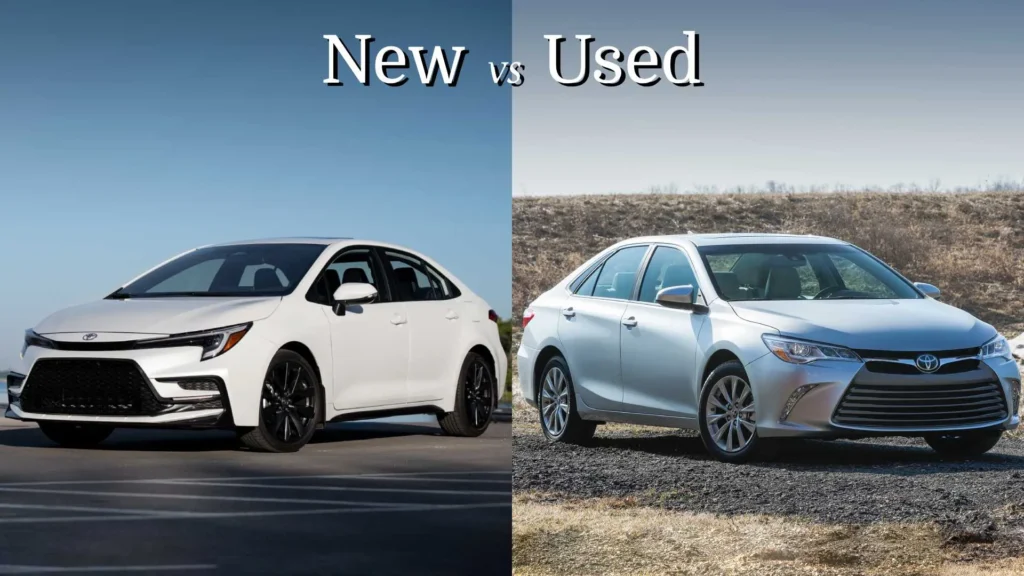
Picking the right ride? It’s personal, but here’s my checklist honed from three car swaps.
Safety First: Aim for IIHS Top Safety Picks—standard in most 2025s here. Features like rear cross-traffic alert saved a fender-bender for me once.
Fuel Efficiency and Total Ownership Costs: Hybrids like Corolla or Kona slash $500 yearly on gas. Use EPA estimates, but real-world? Track via apps like Fuelly.
Space and Comfort: Measure your strollers; test third-row access. Leatherette seats wipe clean—mandatory for sticky fingers.
Tech and Reliability: Android Auto/CarPlay is table stakes. Check J.D. Power for dings; Toyota’s 85/100 score trumps others.
Resale and Incentives: EVs like Nissan Leaf ($28k, 212-mile range) qualify for $7,500 tax credits, boosting affordability. Trade-in values? Hondas hold 60% after three years.
Budget extra for add-ons: All-weather mats ($150) beat dealership markups.
Real-Life Tales: How US Affordable Family Cars Transformed Our Chaos
Nothing beats stories. My first “family” car? A ’15 Nissan Rogue—affordable then, but $2k in repairs by year three killed the vibe. Fast-forward to 2022: We grabbed a used Honda CR-V for $22k. It ferried us through a cross-country move with twins screaming (sorry, neighbors), averaging 28 mpg and shrugging off potholes like pros. No breakdowns, just memories.
A Twitter dad echoed this with his 2025 Trax: “Snowy school runs? No sweat. Kids love the height.” Another raved about the Model 3 for safe, cheap teen wheels. These cars aren’t appliances; they’re enablers of adventures—from beach picnics to grandma visits.
Smart Maintenance: Keeping Your US Affordable Family Car Thriving Long-Term
Own it right, and it’ll last. Rotate tires every 6,000 miles—$100 saves $500 later. Oil changes? Synthetic every 7,500 for turbos. Apps like MyCarfax track recalls; I caught one on my Civic early.
For hybrids, battery checks are free at dealers. Wash weekly to fend rust (hello, salted roads). Budget $500 yearly for surprises. Pro tip: Join AAA—tows beat Uber bills.
Wrapping Up: Your Next Step to Family Road Bliss
There you have it—US affordable family cars that deliver without the drama. From the zippy Civic to the spacious Carnival, prioritize what fits your pack. Test drive three; feel the vibe. Questions? Drop ’em below—I’ve got your back.
Ready to roll? Hit a dealer this weekend. Your family’s next chapter awaits, one affordable mile at a time.
US Affordable Family Cars: Finding the Perfect Ride Without Breaking the Bank in 2025
Hey there, fellow parents and road warriors. If you’re anything like me—a dad juggling soccer practices, grocery hauls, and the occasional spontaneous weekend getaway—you know the drill. Family life in the US means constant motion, and that means you need a car that’s reliable, spacious, and won’t leave you staring at your bank account in horror. I’ve been through it all: the hand-me-down minivan from my folks that smelled like old gym socks, the shiny SUV that guzzled gas like it was auditioning for a monster truck rally, and now, after years of trial and error, I’ve honed in on what really works for US families on a budget.
Back in 2018, when my twins were toddlers, I splurged on a mid-range crossover that promised the world but delivered endless repair bills. Lesson learned the hard way: Affordable doesn’t have to mean cheap. It means smart choices that balance space for car seats and strollers with features that keep everyone safe and sane. Today, with inflation still biting and average new car prices hovering around $48,000, finding US affordable family cars under $30,000 feels like a treasure hunt. But trust me, the gems are out there—vehicles that punch way above their weight in comfort, tech, and longevity.
In this post, I’m pulling back the curtain on the best US affordable family cars for 2025. Drawing from my own driveway experiments (hello, two-car garage shuffle), chats with mechanics who’ve seen it all, and the latest crash-test data from the NHTSA and IIHS, I’ll break down top picks, what to watch for, and real-talk tips. Whether you’re upgrading from a clunker or starting fresh, let’s find you a ride that fits your crew without the financial whiplash. Buckle up—we’re diving in.
What Defines a Great US Affordable Family Car in 2025?
Before we geek out over specs, let’s get real about what “affordable” and “family-friendly” even mean in today’s market. For me, affordable starts at under $30,000 MSRP—enough to finance comfortably without payments eating into your kid’s college fund. But it’s not just the sticker price; factor in fuel costs, insurance, and resale value. With gas prices fluctuating around $3.50 a gallon nationally, hybrids and efficient gas engines are non-negotiable for cross-country hauls.
Family-friendly? That’s all about practicality. We’re talking at least 30 cubic feet of cargo space for luggage and sports gear, easy-access second rows for booster-seat battles, and top-tier safety ratings. The IIHS gave over 80% of 2025 models “Good” or “Acceptable” in crash tests, but I prioritize those with standard forward-collision warning and automatic emergency braking—features that have saved my bacon (and my passengers) more times than I can count.
Reliability seals the deal. Brands like Toyota and Honda dominate J.D. Power’s dependability studies, with scores above 80/100 for models under $30k. And don’t sleep on warranties—Kia and Hyundai’s 10-year/100,000-mile powertrain coverage is a game-changer for budget-conscious folks like us. In short, the best US affordable family cars blend these elements into a stress-free daily driver. No frills needed, just function that feels like a hug from your favorite aunt.
Top US Affordable Family Cars for 2025: My Hand-Picked Favorites
Alright, let’s cut to the chase. After test-driving a dozen options last spring (shoutout to my patient wife for enduring the “just one more” pleas), I’ve narrowed it to standouts that deliver big on family vibes without the premium price tag. These aren’t just specs on a page—they’re cars I’ve seen haul everything from Halloween pumpkins to camping tents. I’ll group them by type, with real-world pros, cons, and why they’d fit your crew.
Best Budget Sedans for Everyday Essentials
Sedans might seem old-school in SUV America, but for urban families squeezing into parking spots and dodging traffic, they’re gold. They’re nimble, sip fuel, and often pack surprising rear-seat room.
Start with the 2025 Honda Civic, kicking off at $25,450. This bad boy earned U.S. News’ nod as the best compact car under $30k, and for good reason. My neighbor swapped his leaky old Accord for one, and now he brags about the 36 mpg highway—perfect for school runs from Philly suburbs to the city. The 158-hp turbo engine feels peppy without guzzling, and the 14.8 cubic feet of trunk space swallows groceries like a champ. Safety? IIHS Top Safety Pick+, with adaptive cruise control standard. Downside: The base model’s infotainment can feel dated if you’re glued to Apple CarPlay. But at $28k loaded, it’s a no-brainer for first-time parents.
Next up, the Toyota Corolla at $22,550—yes, you read that right. It’s the reliability king, with a predicted 200,000-mile lifespan per Consumer Reports. I drove one cross-state last summer with the kids’ art supplies spilling everywhere, and the 32 mpg combined kept stops to a minimum. The hybrid variant bumps to 50 mpg for $24,920, ideal if you’re eco-conscious but cash-strapped. Spacious enough for three car seats across the back? Check. Blind-spot monitoring? Standard on most trims. Con: It’s not the most exciting drive—think reliable uncle, not thrill-seeking cousin. Still, resale holds like glue; my buddy sold his after five years for 70% of what he paid.
Rounding out sedans is the Hyundai Elantra ($21,625), a value bomb with wireless charging and a 10.25-inch touchscreen from the jump. Fuel economy hits 37 mpg, and the 14.2 cubic feet trunk is family-haul ready. A friend in Atlanta swears by its quiet cabin for naptime drives. Safety shines with Hyundai’s SmartSense suite, earning five stars from NHTSA. Nitpick: Rear legroom might cramp taller teens. But with that killer warranty, it’s a smart bet for US affordable family cars on tight budgets.
Versatile Hatchbacks and Small Wagons for Urban Adventurers
If you crave cargo flexibility without SUV bulk, hatchbacks rule. They’re the Swiss Army knife of US affordable family cars—flip the seats, and poof, room for bikes or beach gear.
The Kia Soul ($20,490) is my quirky pick—boxy like a rolling lunchbox, but oh-so-practical at 24.2 cubic feet with seats up, expanding to 62.1 folded. Kelley Blue Book calls it a top wagon for 2025, and I get why: 31 mpg, funky LED lights that thrill the kids, and a Harman Kardon stereo for sing-alongs. My sister’s got one for city errands in Chicago, and she loves the elevated ride height for snowy slush. Safety includes lane-keeping assist, though the base engine (147 hp) feels wheezy on highways. Affordable joy? Absolutely.
For all-weather grit, the Subaru Crosstrek ($26,550) blends wagon charm with AWD standard—crucial for Midwest winters or Pacific Northwest rains. At 19.9 cubic feet cargo, it’s tight for five suitcases, but the 34 mpg and symmetrical AWD make it a road-trip whisperer. A colleague raved about its EyeSight safety tech during a family ski trip; zero close calls. Con: Firmer ride than plush rivals. If your family’s outdoorsy, this is your wagon warrior.
Compact SUVs: The Sweet Spot for Growing Families in US Affordable Family Cars
SUVs dominate for good reason—higher seating for easy kid-loading, and that commanding view eases my white-knuckle highway merges. Under $30k, these compact stars shine.
The Chevrolet Trax ($21,495) is Car and Driver’s budget SUV champ, with 54.1 cubic feet max cargo and 30 mpg. I test-drove one in Detroit; the 137-hp turbo zips through traffic, and Chevy Safety Assist (auto braking, lane centering) feels premium. Great for four passengers, though third-row dreams? Nah. Fuel sipper, low insurance—win for new parents.
Hyundai Kona ($25,625) edges it with hybrid options at 49 mpg, per Edmunds. Vibrant interior, 63.7 cubic feet space, and blind-spot cams make it family-forgiving. A Twitter mom I follow calls it her “chaos coordinator” for toddler tantrums—quiet and connected. Drawback: Base model’s 147 hp lags on inclines.
Kia Seltos ($25,365) counters with bolder style and 26.6 cubic feet cargo. 31 mpg, available AWD, and a 10-year warranty scream longevity. My mechanic buddy fixed one recall (minor) but praises its build. Safety: IIHS Top Pick. Con: Touchscreen glitches occasionally.
Don’t overlook the Honda HR-V ($26,450)—34 mpg, 55.1 cubic feet space, and Honda Sensing safety. Smooth as butter for long drives; I envy my cousin’s for its magic seats folding flat for sleepovers.
Minivans and Larger Haulers: When You Need Max Space on a Budget
Minivans get a bad rap, but for big broods, they’re lifesavers. True budget options are slim, but the Kia Carnival ($34,595—stretching our limit, but worth it) offers SUV-like swagger with 145.1 cubic feet and sliding doors for chaos control. 22 mpg, VIP lounge seats—pure bliss. Autoblog’s review calls it family-focused magic. Con: Thirstier than sedans.
For stricter budgets, eye used Pacificas, but new? The Chrysler Pacifica hybrid starts higher; stick to gas at $38k if possible.
Key Factors to Consider Before Buying Your US Affordable Family Car
Picking the right ride? It’s personal, but here’s my checklist honed from three car swaps.
Safety First: Aim for IIHS Top Safety Picks—standard in most 2025s here. Features like rear cross-traffic alert saved a fender-bender for me once.
Fuel Efficiency and Total Ownership Costs: Hybrids like Corolla or Kona slash $500 yearly on gas. Use EPA estimates, but real-world? Track via apps like Fuelly.
Space and Comfort: Measure your strollers; test third-row access. Leatherette seats wipe clean—mandatory for sticky fingers.
Tech and Reliability: Android Auto/CarPlay is table stakes. Check J.D. Power for dings; Toyota’s 85/100 score trumps others.
Resale and Incentives: EVs like Nissan Leaf ($28k, 212-mile range) qualify for $7,500 tax credits, boosting affordability. Trade-in values? Hondas hold 60% after three years.
Budget extra for add-ons: All-weather mats ($150) beat dealership markups.
Real-Life Tales: How US Affordable Family Cars Transformed Our Chaos
Nothing beats stories. My first “family” car? A ’15 Nissan Rogue—affordable then, but $2k in repairs by year three killed the vibe. Fast-forward to 2022: We grabbed a used Honda CR-V for $22k. It ferried us through a cross-country move with twins screaming (sorry, neighbors), averaging 28 mpg and shrugging off potholes like pros. No breakdowns, just memories.
A Twitter dad echoed this with his 2025 Trax: “Snowy school runs? No sweat. Kids love the height.” Another raved about the Model 3 for safe, cheap teen wheels. These cars aren’t appliances; they’re enablers of adventures—from beach picnics to grandma visits.
Smart Maintenance: Keeping Your US Affordable Family Car Thriving Long-Term
Own it right, and it’ll last. Rotate tires every 6,000 miles—$100 saves $500 later. Oil changes? Synthetic every 7,500 for turbos. Apps like MyCarfax track recalls; I caught one on my Civic early.
For hybrids, battery checks are free at dealers. Wash weekly to fend rust (hello, salted roads). Budget $500 yearly for surprises. Pro tip: Join AAA—tows beat Uber bills.
Wrapping Up: Your Next Step to Family Road Bliss
There you have it—US affordable family cars that deliver without the drama. From the zippy Civic to the spacious Carnival, prioritize what fits your pack. Test drive three; feel the vibe. Questions? Drop ’em below—I’ve got your back.
Ready to roll? Hit a dealer this weekend. Your family’s next chapter awaits, one affordable mile at a time.
For more guides, reviews, and family-friendly car tips, visit onlygamify.