
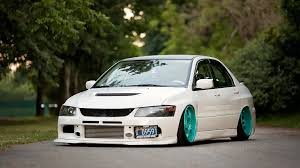
I’ve been modifying cars for almost 20 years. I’ve blown engines, shredded transmissions, passed smog by the skin of my teeth, and—on a few glorious occasions—built cars that felt genuinely transformative on the street and track. If you’re here because you typed “performance mods for cars” into Google, you’re probably trying to figure out where your next dollar is best spent. I’m going to save you a lot of time, money, and heartbreak.
This isn’t a copy-paste list from forums. It’s what I wish someone had handed me when I was 19 and thought a cold-air intake was going to turn my Civic into an M3 killer.
Let’s get into it.
Why Most “Stage 1–3” Mod Paths Are Marketing Garbage
Walk onto any forum or YouTube comment section and you’ll see the same tired progression:
Stage 1 → Tune + intake + exhaust
Stage 2 → Bigger turbo + injectors + clutch
Stage 3 → Built motor, 1000 hp, $30k later
Here’s the truth I learned the hard way: 90% of cars leave 95% of their potential on the table long before they ever need a built motor. The real performance mods for cars that matter in 2025 are the ones that make the car feel alive at legal speeds and survive your daily commute.
The Real Hierarchy of Performance Mods (2025 Edition)
I rank these in order of bang-for-buck based on seat-of-the-pants feel, reliability impact, and cost. Your results will vary by platform, but the order almost never does.
1. Tires & Wheels (Yes, Really—This Is Still #1)
If you do nothing else, buy the best 200-tw or 300-tw tires that fit your wheels. I went from Michelin Pilot Sport 4S to Cup 2s on my M2 Competition and it felt like I added 80 hp. The car rotated in corners like it was on rails and braking distances dropped dramatically.
Real-world example:
2023 GR Corolla on stock Primacy tires → scary understeer monster
Same car on Yokohama AD09 or Michelin PS4S → point-and-shoot weapon
Budget pick: Continental ExtremeContact Sport 02
Money-no-object: Michelin Pilot Sport Cup 2 or Yokohama A052
Wheels: Go 18s if you can. Lighter forged wheels (Apex, Titan7, Rays) drop 20–40 lbs of unsprung weight and transform turn-in.
2. Suspension (The Single Biggest “Feels Like a New Car” Mod)
I’ve owned coilover-equipped cars from BC Racing, KW, Öhlins, Nitron, and now JRZ. Here’s the hierarchy I stand by:
Daily driver that sees occasional track days → KW V3 or Öhlins Road & Track
Weekend warrior → Fortune Auto 500/510 or MCS 2-way
Full track car → 3-way adjustable (Nitron, JRZ, Moton)
Camber plates, solid bushings, and stiffer sway bars are almost always worth it before you touch power.
Pro tip: Spend the extra $400–800 on a professional alignment and corner balancing. I’ve seen 0.8-second lap time drops from alignment alone.
3. Brakes (Stop Faster, Turn Sooner, Live Longer)
Big brake kits are largely a scam for street cars. Upgrade pads, fluid, and stainless lines first. My current daily (E92 M3) is on Ferodo DS2500 pads, Motul RBF660 fluid, and Goodridge lines. It stops like a modern car now.
If you track the car, then yes—AP Racing, Essex, or Alcon kits are worth it. Otherwise, pocket the $4k.
4. Quality Tune (The Biggest Power Per Dollar—If You Don’t Cheap Out)
A good custom tune on a modern ECU can unlock 20–80 hp safely. A bad one can grenade your motor in 5,000 miles.
Platforms I trust in 2025:
- BMW (B58, S58) → Bootmod3, MHD, or Ecutek custom
- Toyota GR (A90 Supra, GR Corolla) → Ecutek or JB4 (for warranty warriors)
- Honda (FL5 Civic Type R, DE5 Integra) → Hondata or KTuner custom
- VW/Audi (MQB Evo) → Unitronic, APR, or United Motorsport
Never run a generic “Stage 2” OTS map long-term. Pay a reputable tuner for dyno time.
5. Lightweight Flywheel + Clutch (Manual Cars Only)
This is the single most underrated mod in existence. Dropping 15–20 lbs of rotating mass at the crank makes the car rev like it’s possessed.
I did a Clutchmasters FX400 + 12-lb flywheel on my S2000. The difference in throttle response is obscene. Yes, it chatters at low RPM. No, I don’t care.
6. Intake + Exhaust (Now We’re Getting to the “Fun” Stuff)
Cold air intakes: Most are garbage. The few that work:
- BMW B58 → Eventuri or BMS elite
- GR Corolla → Eventuri (carbon one actually flows)
- FL5 Type R → PRL or Eventuri
Exhaust: Cat-backs add almost no power on turbo cars. They add joy. My favorite systems right now:
- BMW G8X M3/M4 → Valvetronic Designs or RyeFab equal-length
- GR Corolla → Remark or Tomei Ti
- Porsche 992 GT3 → Soul Performance valved
Downpipes and high-flow cats: Yes, these actually add power on turbo cars (30–60 hp with a tune). But check your local emissions laws. I run HJS 200-cell cats on everything I own—great flow, minimal smell, usually passes sniff tests.
7. Forced Induction Upgrades (Only After Everything Else)
This is where most people start, and where most engines die.
If you’re on a B58, S58, or 2GR-FKS and you’ve already done suspension, brakes, and tune—congratulations, you’re in the 5% who actually need more power.
Current best bang-for-buck turbo upgrades:
- B58 → Pure Stage 2 or Vargas VTT GC+
- S58 → Pure Stage 2+ hybrid
- FA24 (BRZ/GR86) → Flex-fuel kit + AVOTurbo kit (makes 380–420 whp on E85, reliable so far)
- EA888 Gen 4 → IS38 or EFR 7163
Built motors are almost never worth it unless you’re chasing numbers for Instagram.
Platform-Specific Performance Mod Paths That Actually Make Sense in 2025
Toyota GR Corolla
- Mountune intercooler + intake
- Eventuri intake
- Custom Ecutek tune (300–330 whp safe)
- Michelin PS4S or Cup 2
- Cusco or Whiteline sway bars
- Ohlins DFV coilovers
Total: ~$9k. Result: Mid-11s quarter mile, 1.1 g lateral, still under warranty if you’re smart.
BMW G8X M3/M4
- Eventuri intake
- Mission Performance or Ryuforge downpipes
- Bootmod3 custom tune (700+ whp on 93, 800+ on E85)
- PS4S or Cup 2 tires
- KW HAS or V3 coilovers
- CSF heat exchanger (mandatory if tracking)
Total: ~$12k. Result: Faster than a 992 GT3 in a straight line, handles 95% as well.
Honda FL5 Civic Type R
- PRL intercooler + intake
- KTuner custom flex-fuel tune (380–400 whp on E85)
- Acuity shifter upgrades
- Spoon or Eibach springs (or Ohlins if you’re rich)
- 265/35-19 PS4S or AD09
Total: ~$6k. Result: The ultimate daily weapon.
Subaru BRZ / Toyota GR86 (FA24)
Skip the supercharger kits unless you want to rebuild in 40k miles. Do this instead:
- Flex-fuel kit (Delicious Tuning or Zach’s E85 kit)
- AVO or Jackson Racing turbo kit
- Ace 350 header
- Ohlins or Tein Flex Z
- 17×9 + 255 AD09 or RE-71RS
Total: ~$10k. Result: 400+ whp, still handles like a Miata on steroids.
The Mods I Regret (And You Probably Will Too)
- Short-ram intakes that suck in hot engine bay air
- Coilovers under $1,500 (BC Racing ERs blew in 18 months)
- “Race” clutches that make traffic hell
- Meth injection on a street car
- Any mod done just for sound (looking at you, straight-piped diesel bros)
Final Thoughts: Build the Car You’ll Still Love in Five Years
Here’s the test I use now before I buy any part: “Will this make the car more enjoyable to drive to the grocery store at 8/10ths?”
If the answer is no, I don’t buy it.
I’ve owned 600+ hp cars that were miserable on the street. I’ve also owned bone-stock ND Miatas that made me giggle every single on-ramp. Fun is not a horsepower number.
Start with tires, suspension, and brakes. Add power slowly and responsibly. Get a good tune from someone who actually answers emails. And for the love of god, learn to drive the car properly before you make it faster.
If you’re just starting out, here’s my recommended first $3,000 on literally any performance car:
- Quality tires ($1,200–1,600)
- Stainless brake lines + RBF660 fluid + Carbotech XP10/XP8 pads ($600)
- Custom tune or piggyback ($500–800)
- Alignment + corner balancing ($300–400)
Do those four things and 90% of modified cars on the road will feel like toys next to yours.
Drive fast, but drive safe.
— Alex, the guy who’s still paying off the last engine he blew trying to prove a point on the internet
Unlock more expert advice and discover top family car guides at OnlyGamify.