
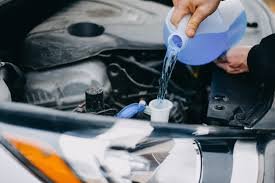
I’m Alex Rivera—former Toyota/Lexus master diagnostician, ex-GM World Class tech, and for the last seven years the guy dealerships send their “no trouble found” nightmares to in Nashville. I’ve lost count of the engines, transmissions, and ABS modules I’ve saved simply because someone finally looked at the fluids the right way. This isn’t the dipstick-and-squint routine your dad taught you. This is the exact sequence I run on every car that rolls into my bay, including my own 2011 Tacoma with 412,000 miles and zero major repairs.
Do it once a month and you’ll hear problems long before the dash lights up.
Why the Order of Operations Actually Matters
Contamination travels. Check oil last and you’ll drag brake fluid or coolant across every dipstick. Do it in the sequence below and you’ll never misdiagnose chocolate-milk oil that’s actually from a prior bad sample.
Engine Oil – Reading the Tea Leaves
Park nose-down on a slight incline if you can—it pools the last half-quart toward the pickup so you don’t get a false low reading on sloped driveways (common false alarm on Subarus and transverse GM V6s).
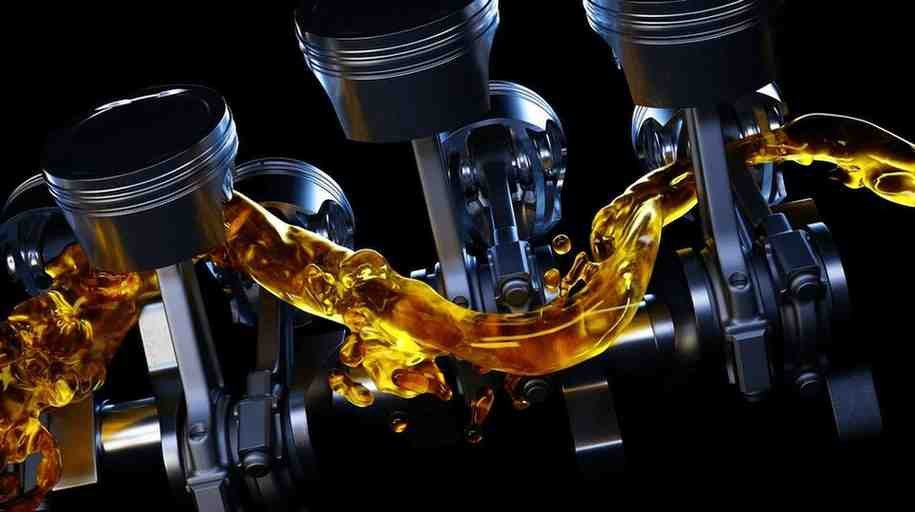
Real-world tells I trust more than the markings:
- Wipe the dipstick on a white coffee filter instead of a towel. Metallic glitter the size of salt grains at 80k miles on a 3.5 EcoBoost? Rod bearings are talking. I’ve predicted three failures this year alone with this trick.
- Smell test: sharp gasoline odor that burns your nose on a direct-injected engine = leaky injectors washing cylinders. Seen it on 2018+ Accords, Stingers, and Genesis G70s.
- Milky but only on the tip of the dipstick = short-trip condensation, not always a head gasket (panic killer for a lot of Honda owners in cold climates).
Coolant – Stop Trusting Plastic Bottles
The degas/overflow bottle is a liar with a law degree. I’ve had 2020+ Explorers show “full” on the bottle yet be three quarts low in the radiator because the pressurized cap vented and never pulled fluid back in.
Cold-only radiator neck check (cap off, flashlight angled):
- Bright, vibrant color with no floating debris = happy system
- Cloudy or tiny rust particles dancing in the light = water pump impeller shedding or cavitation damage (common on 2017–2021 CR-V 1.5T)
- Oil sheen on top = head gasket or cracked EGR cooler (GM 2.7T and Ford 2.3 EcoBoost love this failure at 70–90k)
Brake Fluid – The One Fluid That Ages in Dog Years
DOT 3/4 absorbs roughly 2 % moisture per year in the South. At 3.5 % the boiling point crashes below legal race-brake limits. I keep Fumoto test strips in my glovebox—they turn purple faster than a pH strip on bad fish.
Turkey-baster sample trick:
Pull half an ounce into a clear shot glass against a white background.
- Water-clear to pale straw in a 2023 car = someone actually services it
- Dark tea or cola color in a 2019 model = original fluid, ABS module corrosion already started
- Tiny black flecks suspended = seals in the master or ABS unit are disintegrating (2015–2020 F-150 and Expedition specialty)
Transmission Fluid – Where “Sealed for Life” Goes to Die
No-dipstick 10-speeds (GM 10L80, Ford 10R80) and most Mercedes 9G-Tronic:
Warm the trans to 95–115 °F (use an infrared thermometer on the pan), car in Park, on level ground, pull the fill plug. Fluid should trickle out or be no more than 4 mm below the hole. Anything else and you’re either overfilled (foaming) or low (shift flare city).
Dipstick cars I still see daily:
- ZF 8HP (BMW, many Chryslers, 2019+ Rams): check hot, idling in Park after cycling gears twice. Fluid should be pink-red and smell slightly sweet, not like burnt marshmallows.
- Toyota WS “lifetime” fluid turning maroon-brown at 80k = impending solenoid deaths. I’ve got photos of the sludge that looks like transmission jelly.
Power-Steering & Beyond – The Forgotten Orphans

Electric racks now rule, but if you still have a pump:
Cold level should rise 3–5 mm when hot. If it drops when hot, the rack seals are bypassing (2010–2015 Camry and RX350 classic).
Transfer-case and differential fluid checks I do twice a year:
- Rub a drop between thumb and forefinger. If it feels gritty, the limited-slip clutches or bearings are shedding. Caught two 2018–2022 4Runners last month that would have grenaded in Colorado this winter.
The Nashville Cheat Sheet (Laminated in Every Customer’s Glovebox)
Morning of the first Saturday, cold engine, level ground:
- Brake fluid sample → shot glass color check
- Coolant → radiator neck flashlight inspection
- Power steering (if applicable) → cold mark
- Transmission → exact procedure for your model
- Engine oil → coffee-filter swipe + smell
- Walk-under with creeper flashlight → fresh leaks don’t lie
Takes nine minutes once you know your car’s personality.
Three Cars I Saved Last Month With This Exact Routine
- 2021 Bronco 2.7 EcoBoost – owner noticed oil on the dipstick smelled like diesel. Caught leaky injectors before washed cylinders scored the bores. $1,400 repair vs. $12k engine.
- 2019 Silverado 1500 5.3L – coolant perfect in the bottle, radiator two quarts low. Replaced $11 degas cap → problem solved.
- 2017 Audi Q7 – brake fluid looked new but test strip hit 4.1 %. Flushed the same week; ABS module still alive at 112k.
Your Emergency “Oh-Crap” Bottle Kit
In a $15 ammo can in my trunk:
- Exact oil my wife’s car takes (dated)
- Sealed gallon of Pentosin CHF 11S for my neighbor’s BMW
- Pre-mixed 50/50 G40 for VWs
- Small bottle DOT 4 LV
- Fumoto test strips and a shot glass
Has bailed out four strangers on the side of I-40 in the last two years.
Set the calendar reminder right now: first Saturday, cold engine, nine minutes.
Your engine, transmission, and wallet will thank you.
Tell me your exact year/make/model/engine in the comments and I’ll reply with the one fluid quirk that destroys that platform if ignored—I answer every single one while drinking coffee between bays.
Drive like you want to keep it.
— Alex Rivera
Uncover more expert knowledge and detailed family car guides at OnlyGamify.